Heritage Protection Overlay Zones in Cape Town: What They Mean for Your Trees
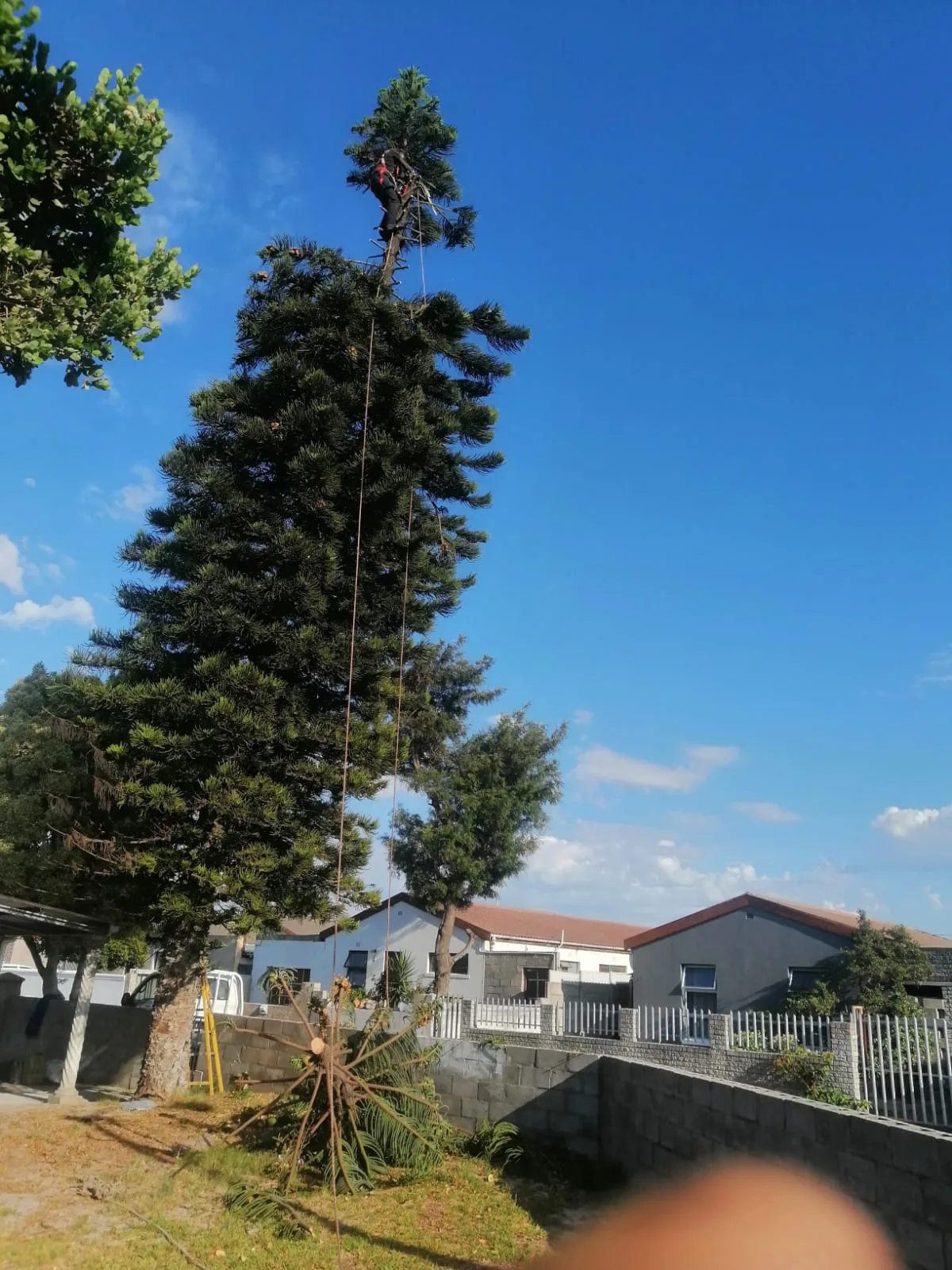
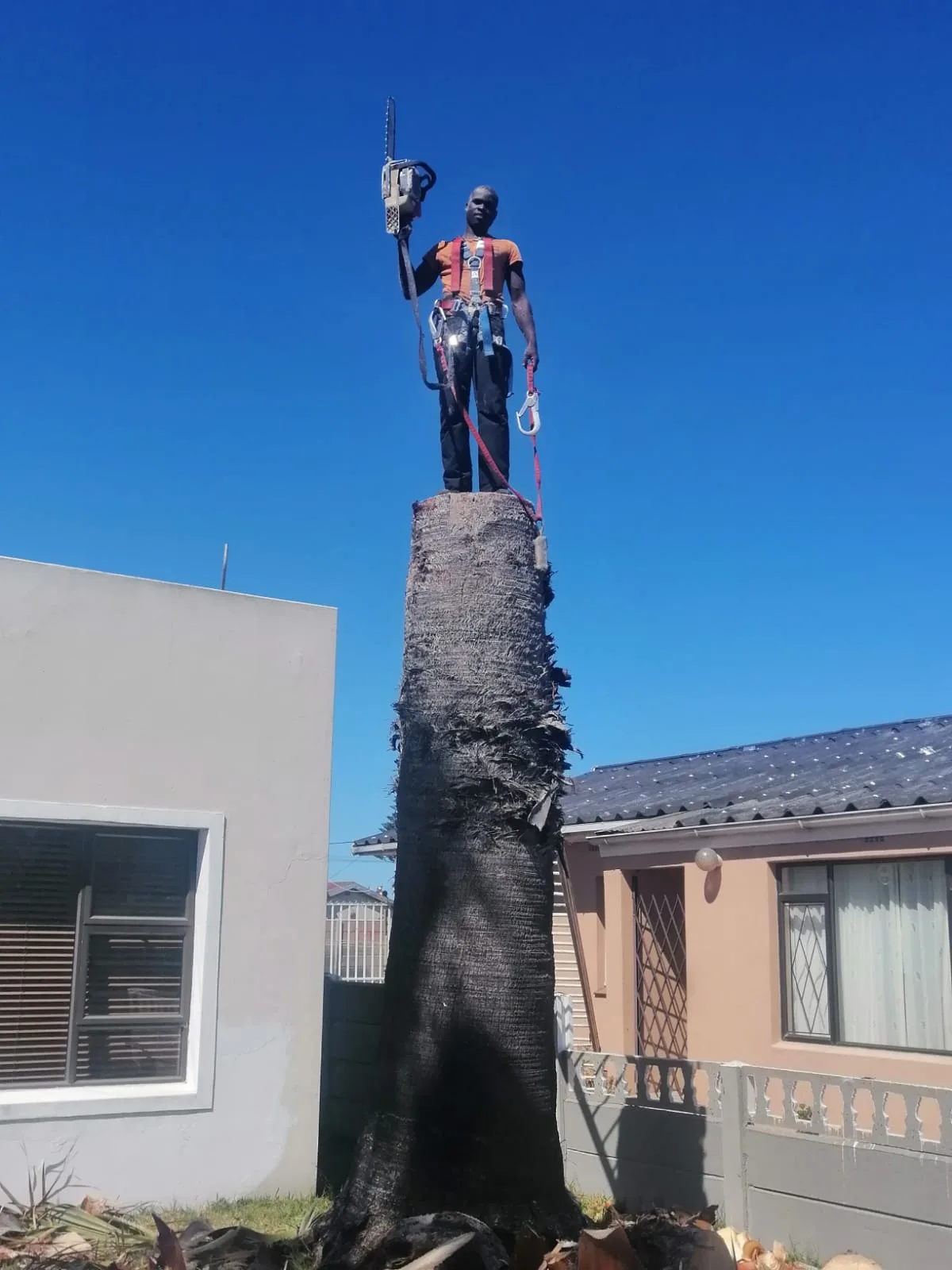
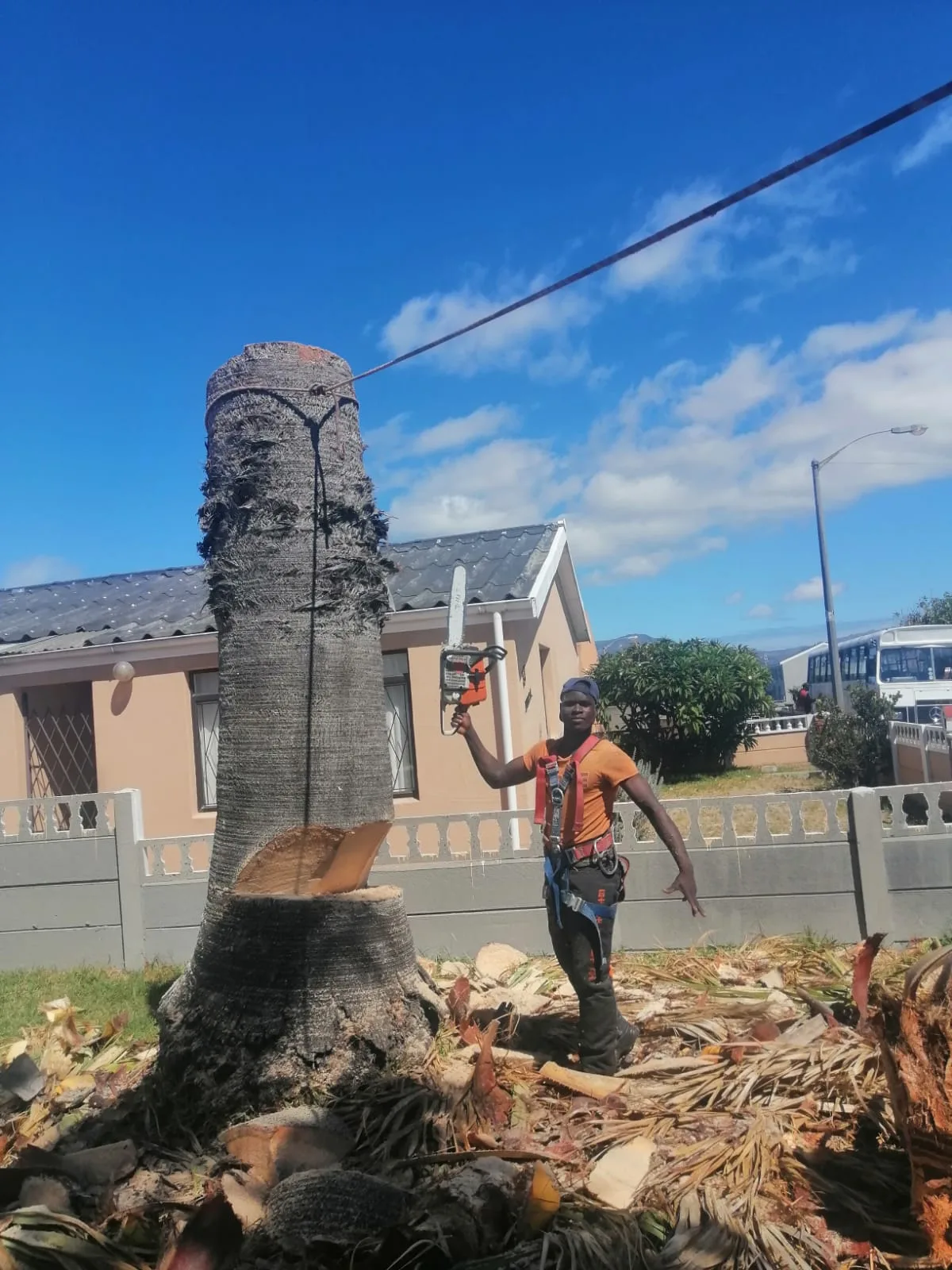
Most Cape Town homeowners find out about Heritage Protection Overlay Zones the hard way: a neighbour mentions it, or a conveyancer flags it, or someone from the City arrives while the chipper is still running. It's one of the least-explained rules in the city, and it catches good people out because it has nothing to do with the species of your tree, its size, or whether it's indigenous. It's about where the tree stands.
This guide explains what an overlay zone is in plain language, how to check in about two minutes whether your erf is in one, exactly what the City lists as needing approval, and what the law lets the City do if a mature tree comes out without it.
Key takeaways
- A Heritage Protection Overlay (HPO) is an extra layer of planning rules that sits on top of your normal zoning. It applies to the area, not to individual tree species.
- The City's own list of activities needing approval in an HPO includes "any permanent removal or destruction of trees, or removal of vegetation or topsoil".
- The 60-year rule everyone quotes is Section 34 of the National Heritage Resources Act, and it covers structures, not trees. Don't confuse the two.
- You can check your own property free on the City's interactive map, which shows both declared HPO zones and proposed heritage areas.
- If work happens without consent, the Act gives the local authority power to stop it instantly and require the site restored — and to do the restoration itself and bill the owner.
What a Heritage Protection Overlay Zone actually is
Every erf in Cape Town has a base zoning that tells you what you may build and how. An overlay zoning sits on top of that. The City's Municipal Planning By-Law, 2015 defines it as "a zoning, in addition to the base zoning, stipulating the purposes for which land may be used and the development rule which may be more or less restrictive than the base zoning". In other words, it can tighten what you're allowed to do without changing your underlying zoning at all.
The Heritage Protection Overlay is the version used for conservation-worthy places and areas. It lives in the Development Management Scheme, which is Schedule 3 of that by-law, under Chapter 20, Part 1 — sections 159 to 164 cover deemed overlay zones, use of the property, development rules, general and specific provisions, and how the City must consider applications. When the by-law came in, the old urban conservation areas from the previous zoning schemes were carried across into this new mechanism, which is why some overlays predate 2015 by decades.
The practical effect is simple. Inside an overlay, the City gets a legal say over changes that affect the character of the place. A mature oak avenue, a hedge line, an old garden layout: those are heritage features in the same way a gable or a sash window is.
The 60-year rule is about buildings, not trees
This is the single biggest muddle we hear, so let's settle it. Section 34(1) of the National Heritage Resources Act 25 of 1999 reads: "No person may alter or demolish any structure or part of a structure which is older than 60 years without a permit issued by the relevant provincial heritage resources authority." That's Heritage Western Cape's department, and it covers buildings, boundary walls, fixtures and fittings.
A tree is not a structure. There is no national law that automatically protects a tree because it is over 60 years old. Anyone who tells you your gum is protected purely because of its age has mixed up two different rules.
The common mix-up
"My tree is older than 60 years, so I need a heritage permit from Heritage Western Cape." Not so. Section 34 is about structures. Trees only come into it through a different route.
How trees are actually covered
Through the City's overlay zone if your property sits in one, and separately through the national protected species list if the tree happens to be one of those species. Different laws, different offices.
How to find out if your property is in one
You don't need a planner or a lawyer for this. The City publishes the overlay boundaries on a public map, and checking costs nothing.
1. Open the City's interactive map
Go to the City of Cape Town map viewer and search your street address or erf number. The City's own guidance is that you can use it to "find out whether your property has been identified by the City as a heritage resource, is in a HPO, or in a proposed heritage area".
2. Switch on the heritage layer
The overlay boundaries are a separate map layer, not part of the default view. The same data is published openly as the Formal Protections (HPOZ) dataset on the City's open data portal if you'd rather look at the raw boundaries.
3. Note whether it says declared or proposed
These are not the same thing. A declared overlay is in force. A proposed heritage area is still moving through public participation. If your property shows as proposed, ask the City where the process has actually got to before you assume either way.
4. Confirm it in writing
A map is a starting point, not a ruling. The City's Environmental and Heritage Management team answers heritage queries on [email protected]. One email with your erf number and what you're planning is worth more than a week of guessing.
What the City lists as needing approval
The City sets out the activities that require its approval inside a Heritage Protection Overlay on its heritage site or building page. Most of the list is about buildings, but two items land squarely on gardens.
From the City's list of activities requiring approval
- "Any permanent removal or destruction of trees, or removal of vegetation or topsoil"
- "any alteration to or removal of any historical landscape or landscape feature"
- "any change to the natural or existing condition or topography of land"
- "any below-ground excavation"
Source: City of Cape Town, "Your heritage site or building". The City adds that it "may exempt a specific activity or schedule of activities in a geographic area which has been protected as a Heritage Protection Overlay zone from the requirements" — so exemptions differ between overlays.
Read the wording carefully, because the precision matters. It says permanent removal or destruction. Guidance the City has published for overlay areas has treated ordinary garden maintenance that doesn't involve taking out mature trees as exempt. Mowing the lawn, clipping a shrub, clearing a bed: nobody expects an application for that.
| Job in your garden | Inside a declared HPO | Why |
|---|---|---|
| Felling a mature tree | Ask first | Permanent removal of a tree is on the City's list. |
| Ripping out an old hedge line | Ask first | A hedge can be a landscape feature in its own right. |
| Grubbing out roots, regrading, new paving | Ask first | Excavation and changes to topography are separately listed. |
| A hard reduction that reshapes a landmark tree | Grey area | Not removal, but it can alter a landscape feature. Worth a query. |
| Deadwooding, light crown clean, hedge clip | Usually fine | Routine maintenance, nothing removed permanently. |
The grey-area row is the one worth a phone call. A tidy-up is maintenance. A reduction heavy enough that the tree reads differently from the street is arguably an alteration to a landscape feature. If you're planning crown work and reductions on a big tree in an overlay area, a short email to the City before you book is cheap insurance.
How the approval process actually runs
This is where people expect a tree permit and get something else entirely. There isn't a standalone "HPO tree form". Approval inside an overlay runs through the normal land-use application machinery. Section 42 of the Municipal Planning By-Law lists the applications you can make, and item (i) is "consent, approval or any other permission or requirement in terms of the development management scheme" — which is the door an overlay application goes through.
In substance, that means three things. First, the City has to weigh the effect of what you're proposing on the significance of the heritage place or area, not just whether the tree is a nuisance to you. Second, a land-use application can require interested and affected parties to be notified, so neighbours may get a say. Third, an approval can come with conditions attached — a replacement planting is a realistic one where a mature tree is being lost.
In an overlay zone the question isn't "is this tree a problem for me?" It's "what does removing it do to the character of the area?" Frame your application around that and it goes far better.
How long it takes, and what it costs
Here we have to be straight with you rather than invent a number. We could not find a published, fixed turnaround time for heritage approvals inside an overlay zone, and the City's application fees are set out in its tariff schedule, which is revised each financial year. Anyone quoting you a firm "14 days and R950" is guessing.
What you can plan around is the shape of it. This is a planning application, not a counter service. If public notification is triggered, there's a statutory comment period built into the timeline. Think in weeks to months, not days, and get your query in early. Ask Environmental and Heritage Management for the current turnaround and fee for your specific overlay before you commit to a date with a contractor.
What helps an application
Clear photos of the whole tree and the defect, the species, the erf number, an honest reason for removal, and a proposed replacement tree. If the tree is genuinely unsafe, say so with evidence rather than adjectives.
What sinks one
"It drops leaves in the pool." Nuisance alone is a weak case for removing a tree the overlay exists to protect. Lead with safety, structural damage or disease, and be specific about it.
What happens if a tree comes out without approval
The overlay is how the City gives effect to the idea of a protected heritage area, and heritage areas are dealt with in section 31 of the National Heritage Resources Act. Section 31(7) sets out what a local authority's protective provisions must include, and paragraph (c) is the part worth reading twice. It says that where alteration or development is undertaken in a heritage area without the local authority's consent, the authority "shall have the power to require the owner to stop such work instantly and restore the site to its previous condition within a specified period", and that if the owner doesn't comply, "the local authority shall have the right to carry out such restoration work itself and recover the cost thereof from the owner".
Stop work
The power is to halt it immediately, mid-job. A crew can be sent home with a half-dismantled tree standing in your garden.
Restore the site
You cannot un-fell a hundred-year-old oak. In practice that turns into a replacement planting requirement, at your cost.
Or they do it and bill you
If you don't restore it, the Act lets the local authority do the work and recover the cost from the owner.
There's a quieter consequence too. Unapproved work in a heritage area tends to surface later, when you apply for building plans or sell. A heritage problem attached to your erf is a slow, expensive thing to unwind, and it lands on the owner rather than whoever swung the saw.
Three separate rulebooks — don't confuse them
A tree in Cape Town can be caught by more than one set of rules at the same time, and clearing one doesn't clear the others.
| Rulebook | Triggered by | Who you ask |
|---|---|---|
| Heritage Protection Overlay | Where the property is | City of Cape Town (Environmental & Heritage Management) |
| National protected tree species | What the tree is | National department (DFFE), by licence |
| Street, verge and Council trees | Who owns the ground it stands on | City of Cape Town, via a service request |
So a yellowwood on a Constantia property inside an overlay needs both a national licence and the City's consent. A pine in the same garden needs only the City's consent. A pine outside the overlay, on private ground, generally needs neither. If you want the species side of it, we've set out the national protected species list in full, and the broader question of when a Cape Town tree needs a permit is covered separately.
Frequently asked questions
What does HPOZ stand for?
Heritage Protection Overlay Zone. The City's own documents also shorten it to HPO, for Heritage Protection Overlay. Same thing: an extra layer of planning rules over your base zoning, applied to a defined area.
Does an overlay zone stop me selling or renovating?
No. It doesn't affect ownership or the sale of a property. It means certain changes to the place need the City's approval first, which is a process rather than a prohibition.
Can I prune a tree in an overlay zone without asking?
Ordinary garden maintenance that doesn't permanently remove a mature tree generally isn't the target of the rule. A heavy reduction that changes a landmark tree's shape is less clear cut. Email the City with photos and get it in writing.
My tree is dead and dangerous. Do I still need approval?
A dead or genuinely unsafe tree is a much stronger case, but the requirement doesn't vanish because you're in a hurry. Contact the City straight away, with photos, and say clearly that it's a safety matter.
Which Cape Town suburbs have overlay zones?
The overlays follow historic conservation areas rather than suburb boundaries, and the list has grown over time, so a street-by-street answer online will be out of date. Check your own erf on the City's map instead of relying on a list.
Is an overlay the same as a National Heritage Site?
No. National and Provincial Heritage Sites are formally declared individual sites with their own permit route. An overlay is a municipal planning layer over an area, run by the City.
The short version
Check the map before you plan anything. If your erf is inside a declared overlay, treat a mature tree as something you ask about rather than something you decide about, and email [email protected] with your erf number and photos. If it's outside, the overlay simply doesn't apply and you're back to the ordinary questions of species and ownership.
Where we can help is the practical end: identifying what the tree actually is, photographing the defect properly so your application has something solid in it, and giving you a fixed written price for the work once you have the go-ahead. That assessment is free and there's no obligation attached to it, so book a free on-site quote or phone us on 084 966 4252 and we'll come and look. We won't touch a tree in an overlay zone without the approval in place, and you shouldn't want us to.
Keep reading
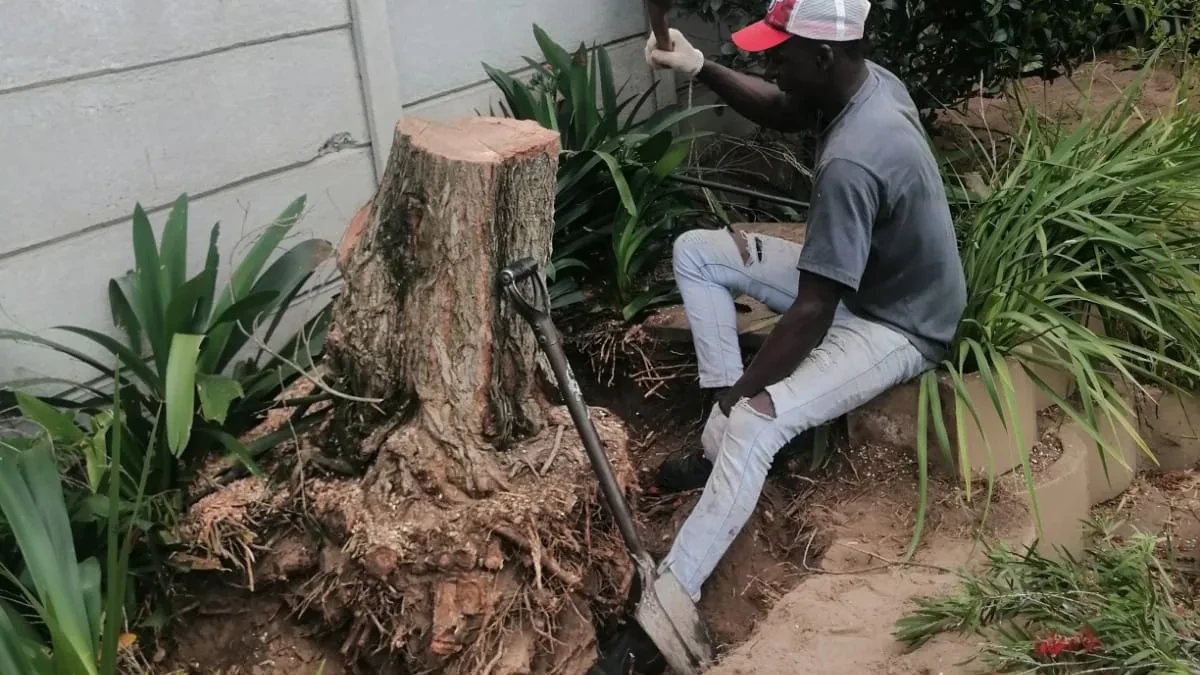
Tree Roots Damaging Your House, Paving or Drains? What to Do
Lifted paving, a blocked drain or a crack in the boundary wall, and a big tree nearby. Here is what tree roots actually do to a property, what they almost never do, what the law says when the tree is your neighbour's or the City's, and how to decide between cutting a root, fixing a pipe and taking the tree out.
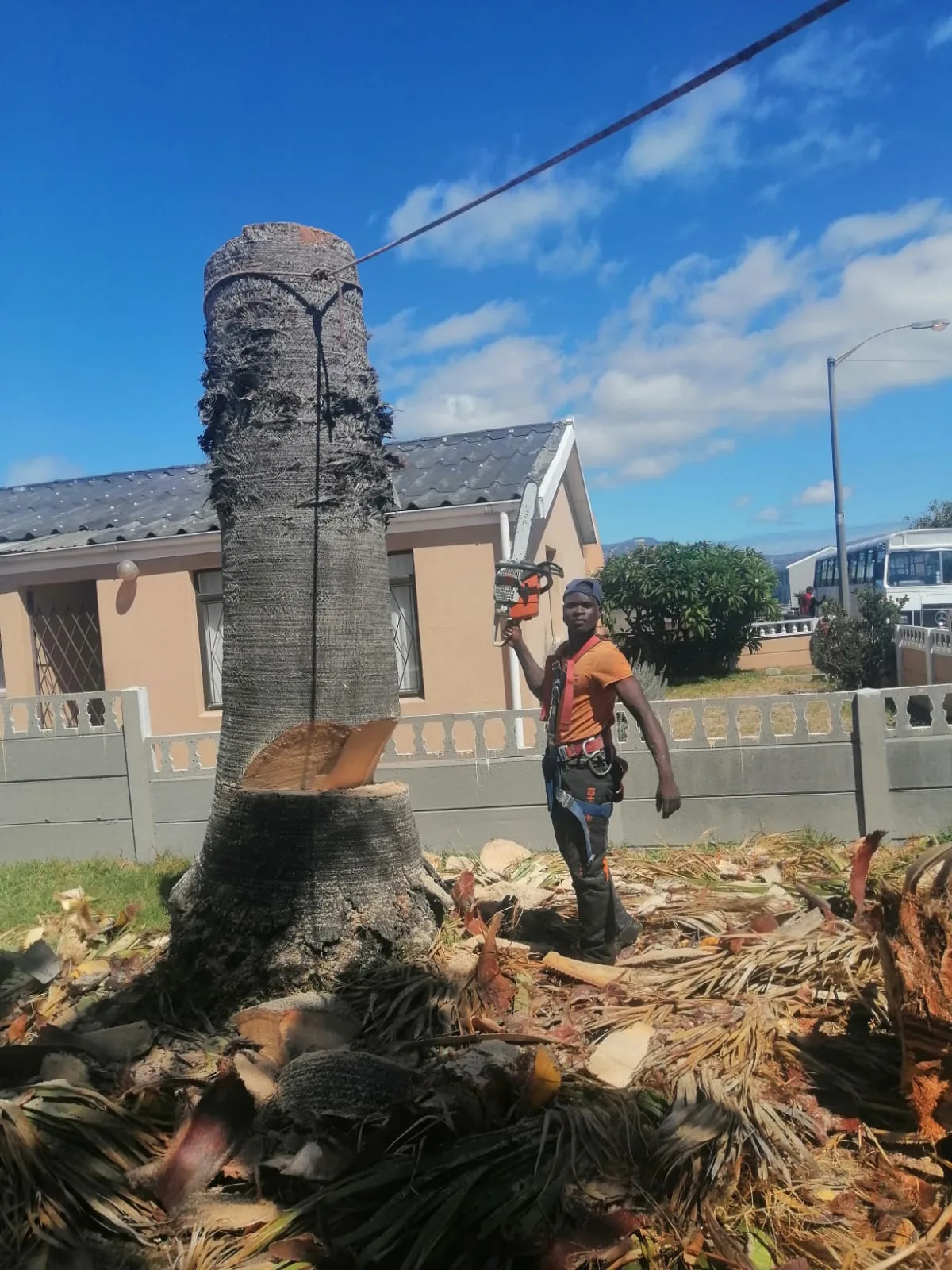
How to Cut Down a Tree Safely (And When to Stop)
Most people searching for how to cut down a tree are really asking a different question: can I do this one myself? Here is the sequence a trained feller works through, what the hinge actually does, and the situations where the honest answer is to put the saw down and phone someone.
Blue Gum Tree Removal in Cape Town
A mature blue gum in a Cape Town garden sits in an odd legal spot: the species is listed as an invasive, but a big urban trunk is often specifically exempt from the duty to remove it. Here is which gums are actually listed, the tape-measure test that decides it, why cutting one down never finishes the job, and what a safe take-down in a suburb actually involves.