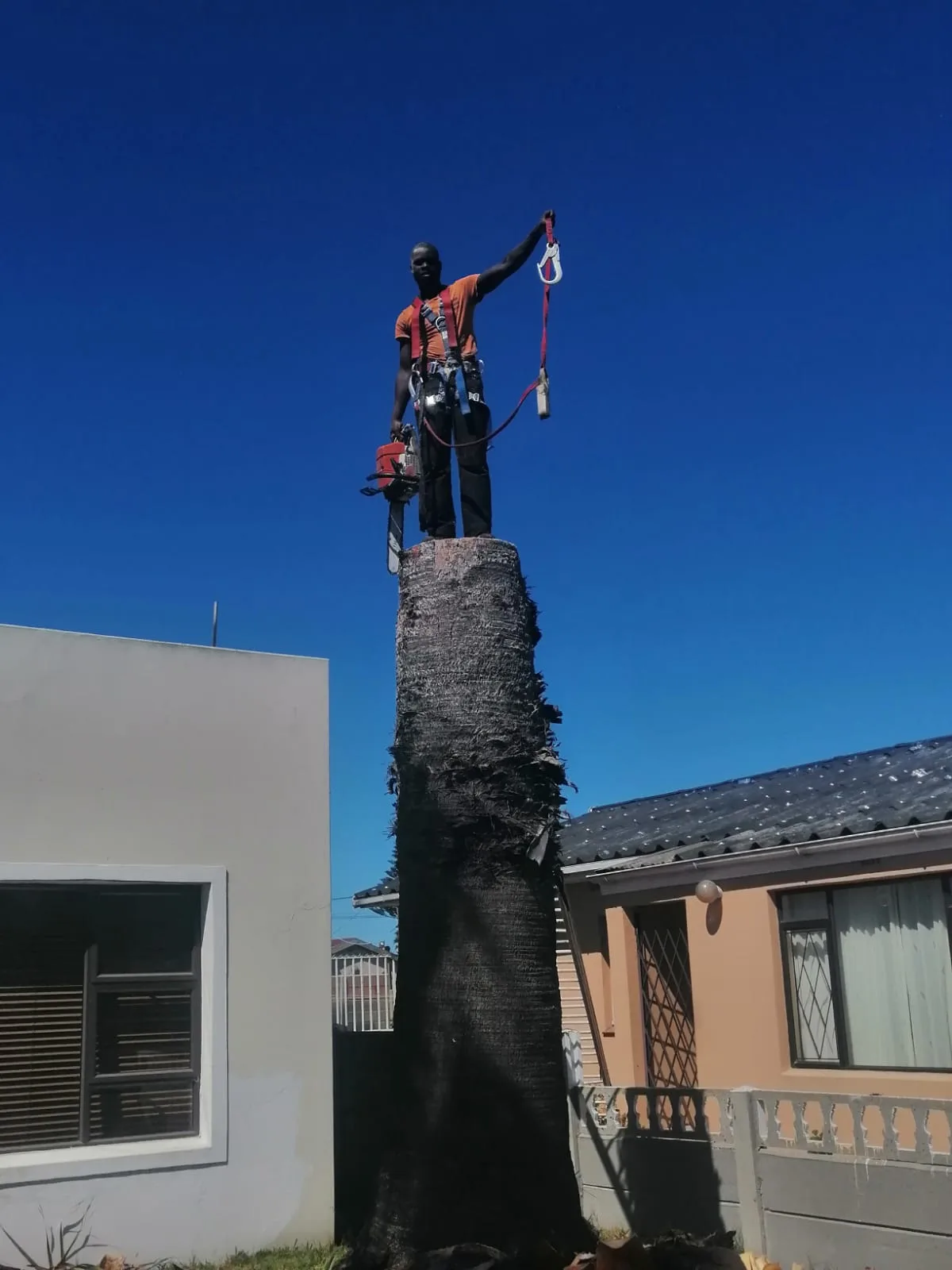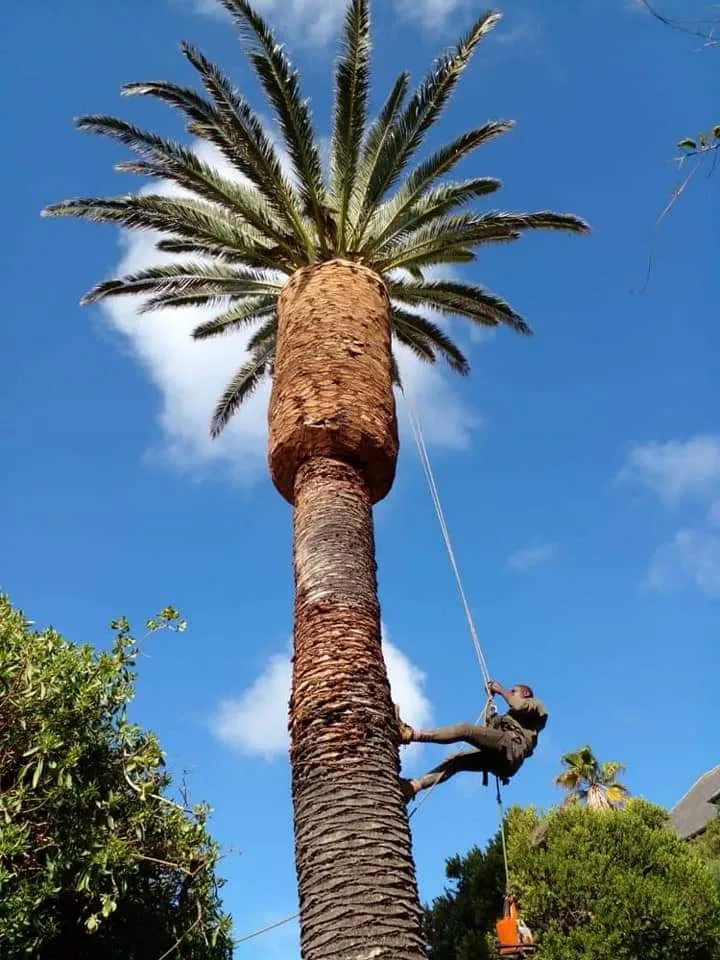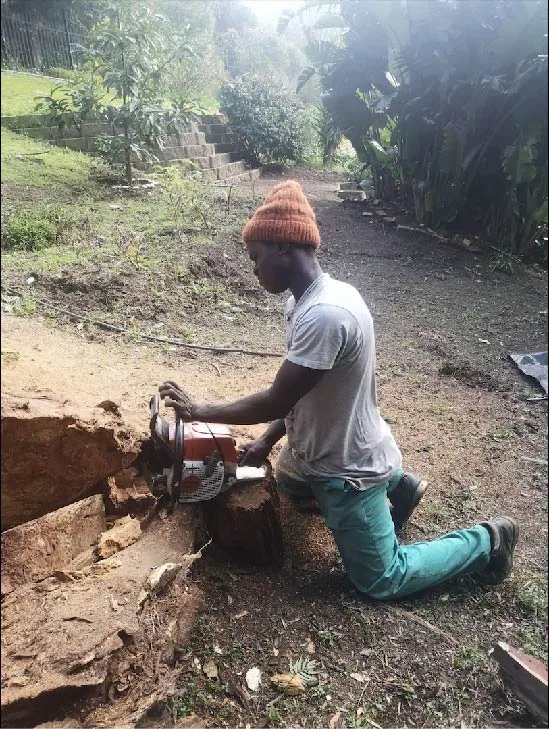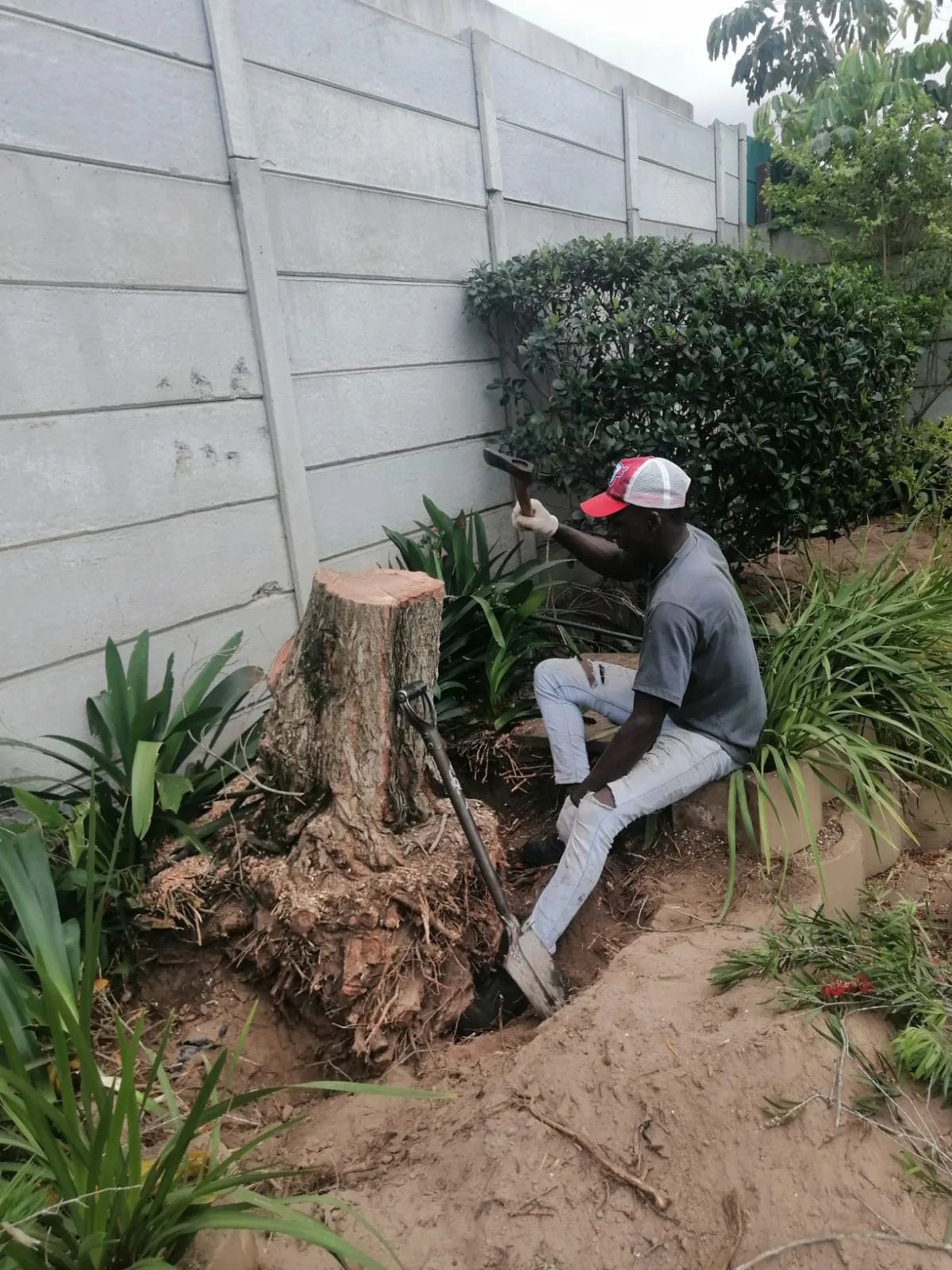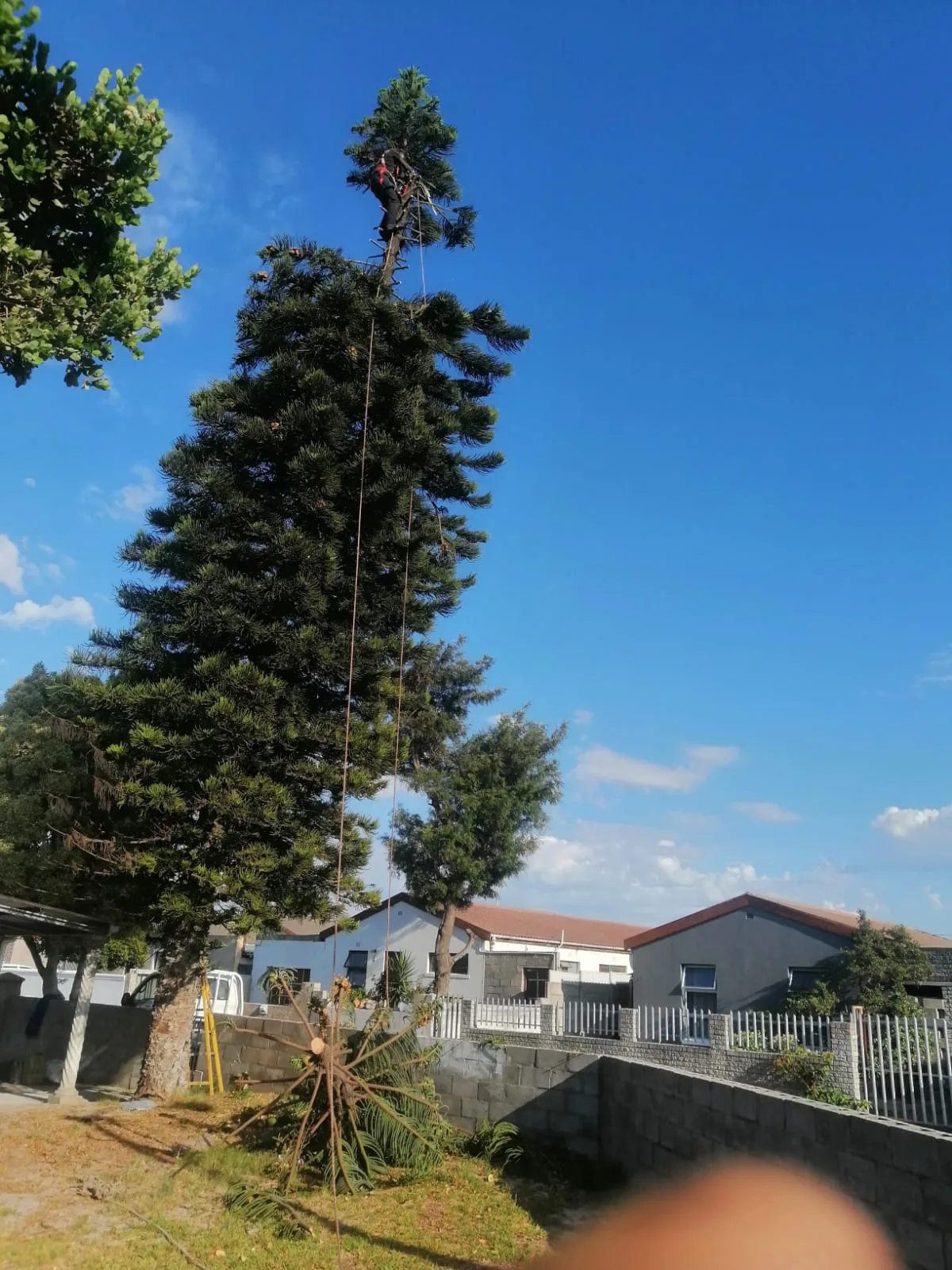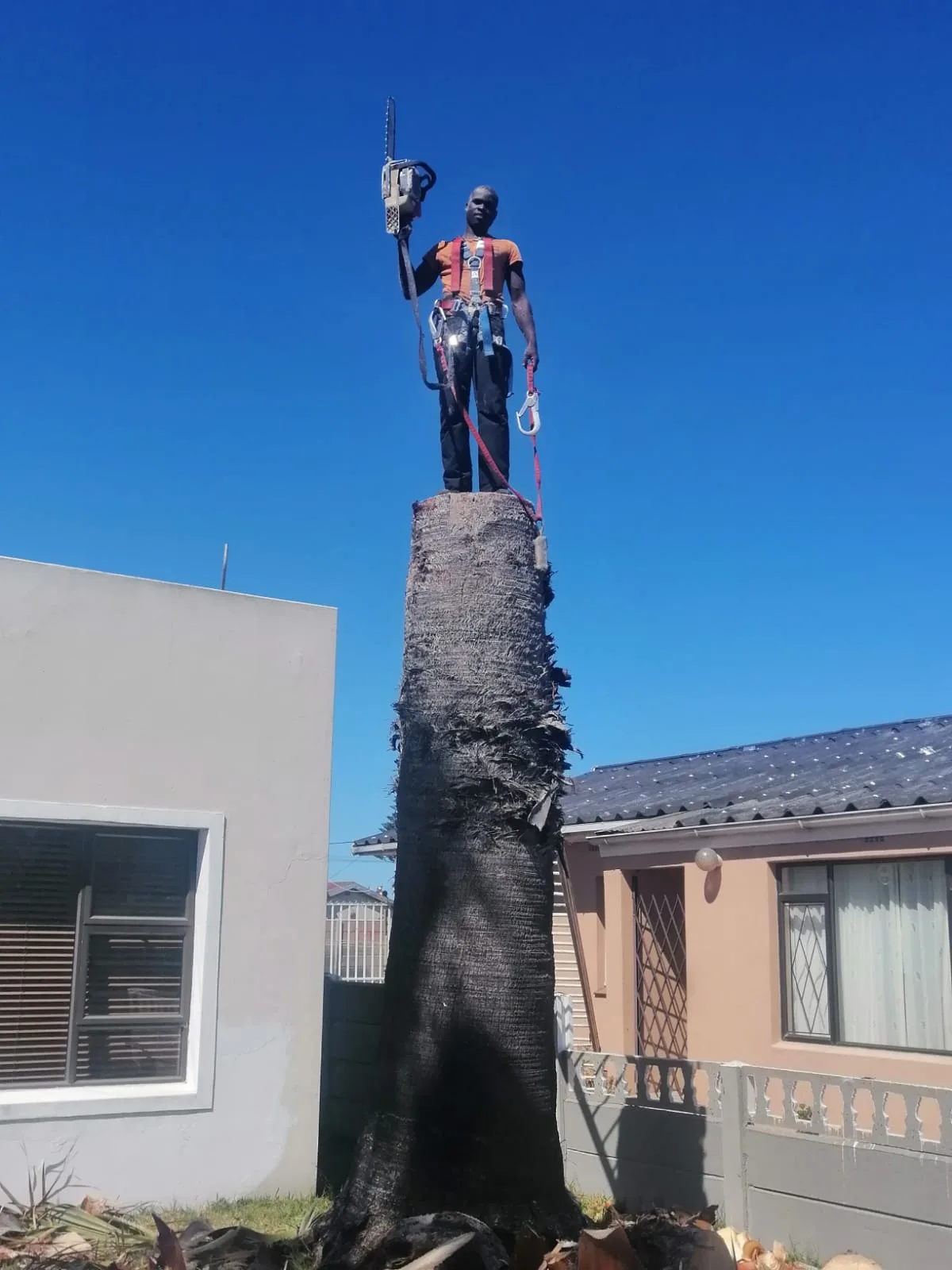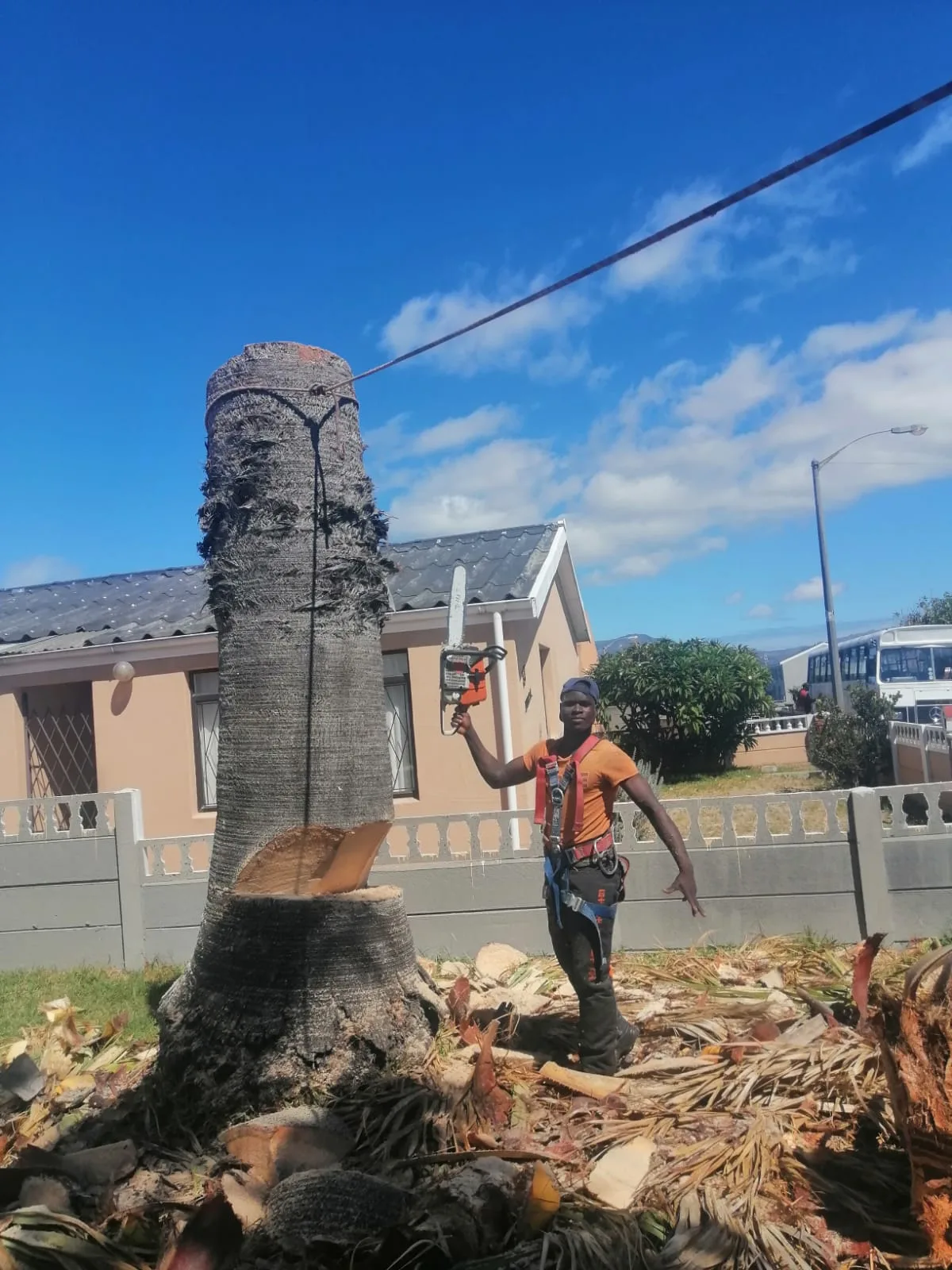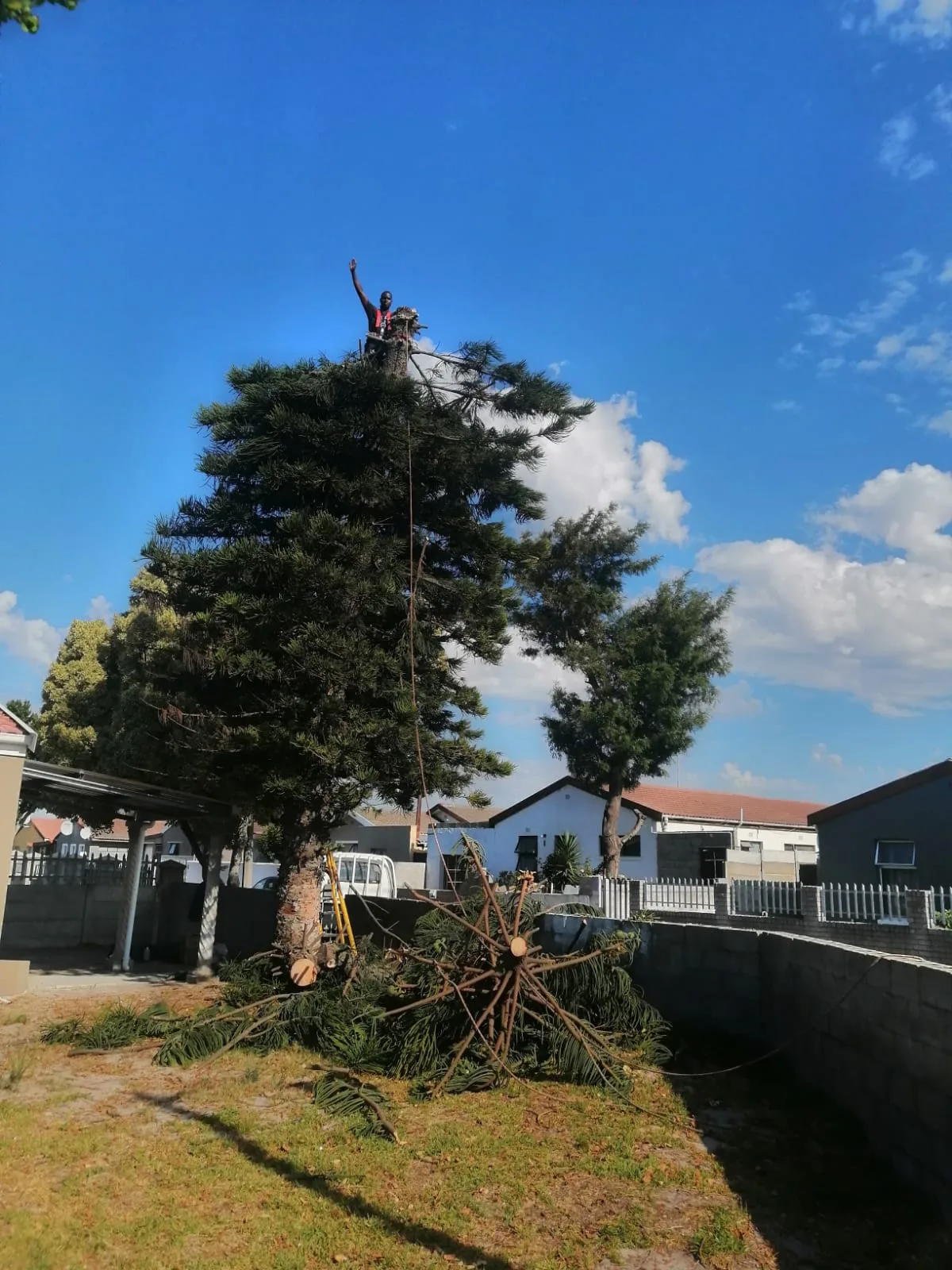
It's the question that stops a lot of Cape Town homeowners in their tracks: am I actually allowed to cut this tree down? The short answer is that most ordinary garden trees can be felled without any permit — but a few categories are protected, and felling one of those without approval can land you with a serious fine. Here's how to tell which side of the line your tree sits on before you book the job.
Key takeaways
- Most ornamental and alien garden trees on private property can be felled without a permit.
- Nationally protected indigenous species need a licence wherever they grow — even on private land.
- Significant, heritage and Council-owned (street/verge) trees need City of Cape Town approval.
- Declared invasive aliens (rooikrans, Port Jackson) must be controlled — no permit needed to remove them.
When do you NOT need a permit?
The good news first: the large majority of trees in Cape Town gardens are not protected. Planted pines, gums, oaks, syringas, palms and most ornamental trees on private property can be felled without any municipal permit. If the tree was put there as a garden tree and isn't an indigenous protected species, you're almost always free to remove it.
Which trees ARE protected?
There are four broad situations where you do need approval before cutting:
- Nationally protected indigenous species. Under the National Forests Act, certain South African trees are protected wherever they grow — including on private land — and may not be cut, damaged or destroyed without a licence from the national department (DFFE). The best-known in our area are the real yellowwood (Podocarpus / Afrocarpus species) and the white milkwood (Sideroxylon inerme), which is common along the False Bay and South Peninsula coast. You can check the full national list of protected tree species if you're unsure — but it's safest to have the species confirmed before you cut.
- Significant, heritage and champion trees. The City of Cape Town and heritage authorities can protect individual trees for their age, size, species or historical value, and a significant tree may only be removed with the City Arborist's approval. These are most common around the older oak-lined suburbs and estates.
- Street, verge and Council-owned trees. Trees on the pavement, road reserve or any City land are not yours to remove — you need written consent from the City before anyone prunes or fells them, even if the tree is right outside your gate.
- Trees in conservation or heritage-overlay areas. If your property falls within a Heritage Protection Overlay Zone or a declared conservation area, no mature tree may be removed without prior City approval — regardless of species.
What about invasive alien trees?
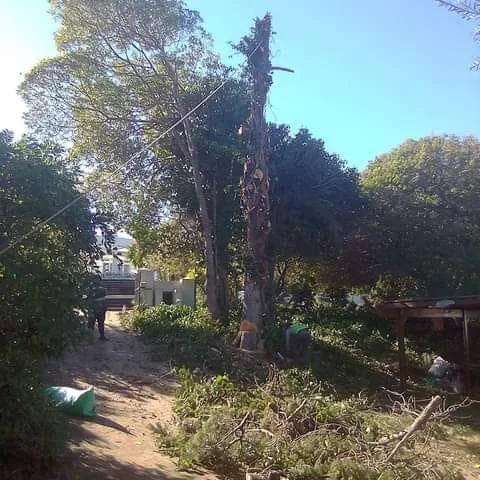
Invasive aliens sit at the opposite end. Listed invasive species — rooikrans, Port Jackson, black wattle, blackwood and others that have spread aggressively into Cape fynbos — must actually be controlled by the landowner under the national biodiversity rules (NEMBA). You don't need a permit to take them out, and clearing them is genuinely good for the property and the surrounding environment. If your plot is overrun with them, full site clearing handles the lot and treats the stumps so they don't sucker back.
If you're unsure whether a tree is protected, don't cut first and ask later — the fine is far more than a permit.
How do you get a permit if you need one?
For a significant, heritage or Council-owned tree you apply to the City of Cape Town, usually with photos, the tree's location and species, and a reason for removal (safety risk, disease, damage to structures). The City assesses it and may require a replacement planting. For a nationally protected species the licence comes from the national department (DFFE) instead. Rules can be case-by-case, so it's always worth checking with the City if you're unsure. We can't lodge the application for you, but on every free assessment we'll tell you clearly whether a permit is needed and provide the tree details and photos you need to apply.
What happens if you fell a protected tree without a permit?
Felling a nationally protected or heritage-listed tree without approval is an offence and can carry a substantial fine — far more than the cost of the felling itself. A reputable Cape Town crew simply won't do it. We won't fell a protected tree without the paperwork in place, because the risk lands on both the property owner and the operator.
Not sure which category your tree falls into? Book a free on-site assessment — we'll identify the species, tell you whether a permit applies, and quote the work. You can read what felling actually costs while you decide, or browse our other common questions.
Keep reading
Tree Roots Damaging Your House, Paving or Drains? What to Do
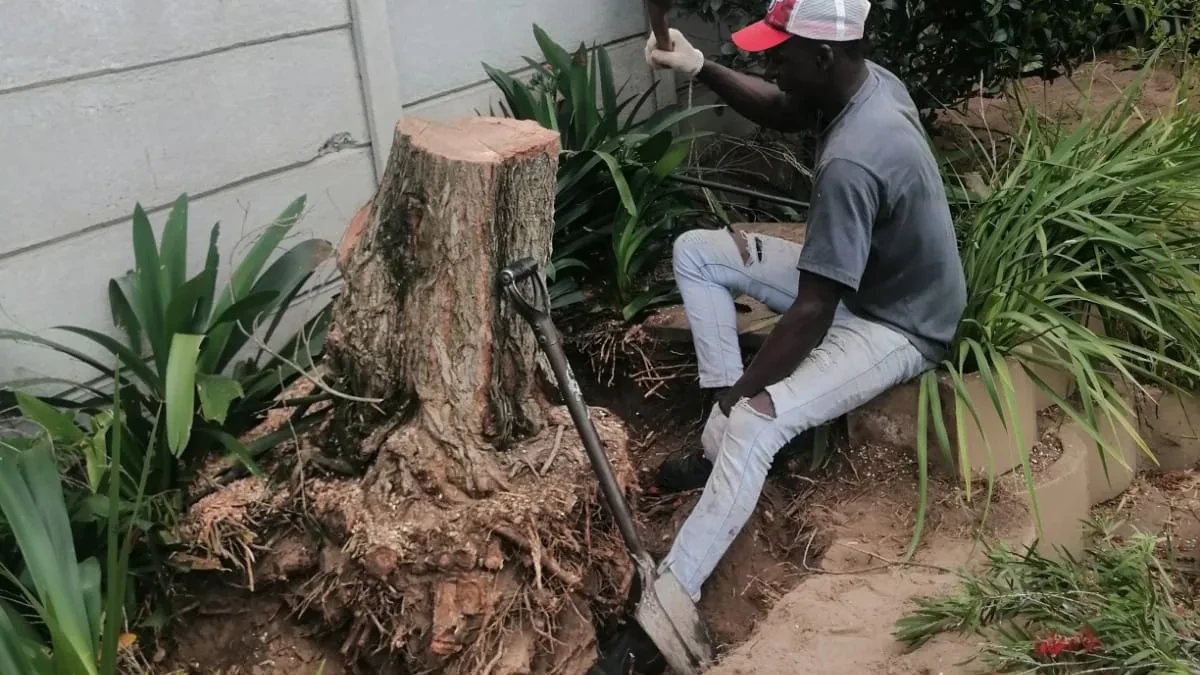
Lifted paving, a blocked drain or a crack in the boundary wall, and a big tree nearby. Here is what tree roots actually do to a property, what they almost never do, what the law says when the tree is your neighbour's or the City's, and how to decide between cutting a root, fixing a pipe and taking the tree out.
How to Cut Down a Tree Safely (And When to Stop)
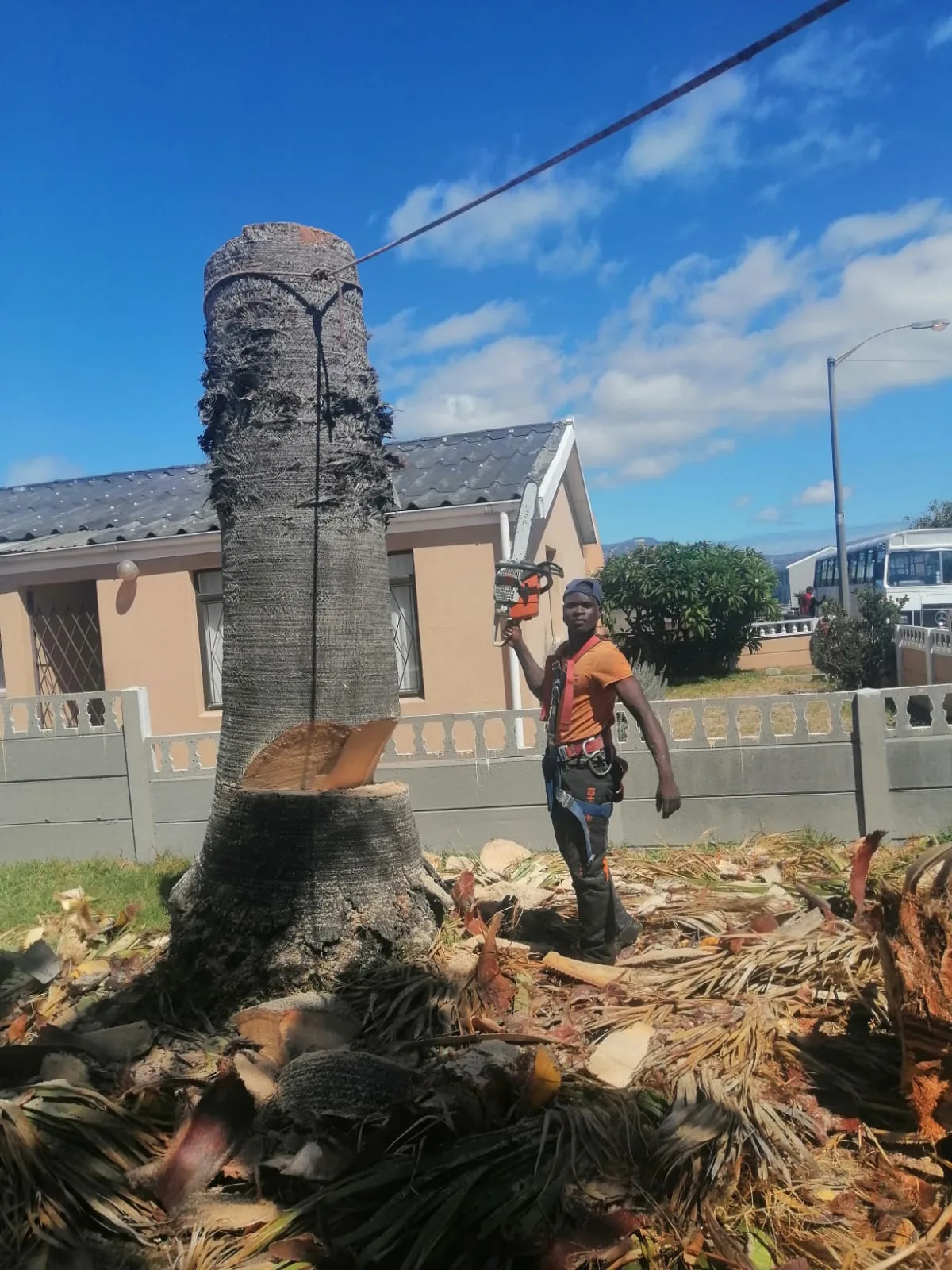
Most people searching for how to cut down a tree are really asking a different question: can I do this one myself? Here is the sequence a trained feller works through, what the hinge actually does, and the situations where the honest answer is to put the saw down and phone someone.
Blue Gum Tree Removal in Cape Town
A mature blue gum in a Cape Town garden sits in an odd legal spot: the species is listed as an invasive, but a big urban trunk is often specifically exempt from the duty to remove it. Here is which gums are actually listed, the tape-measure test that decides it, why cutting one down never finishes the job, and what a safe take-down in a suburb actually involves.