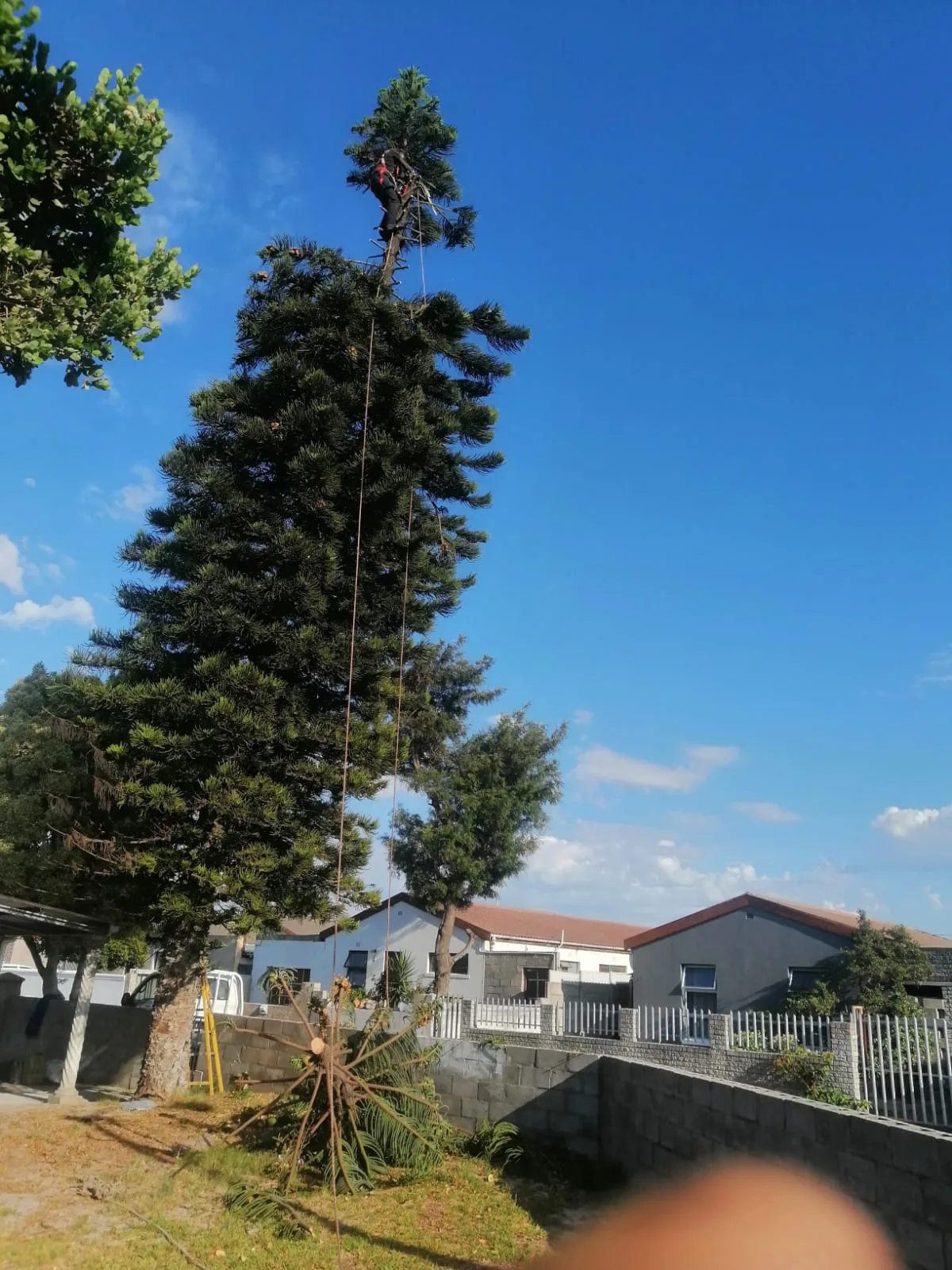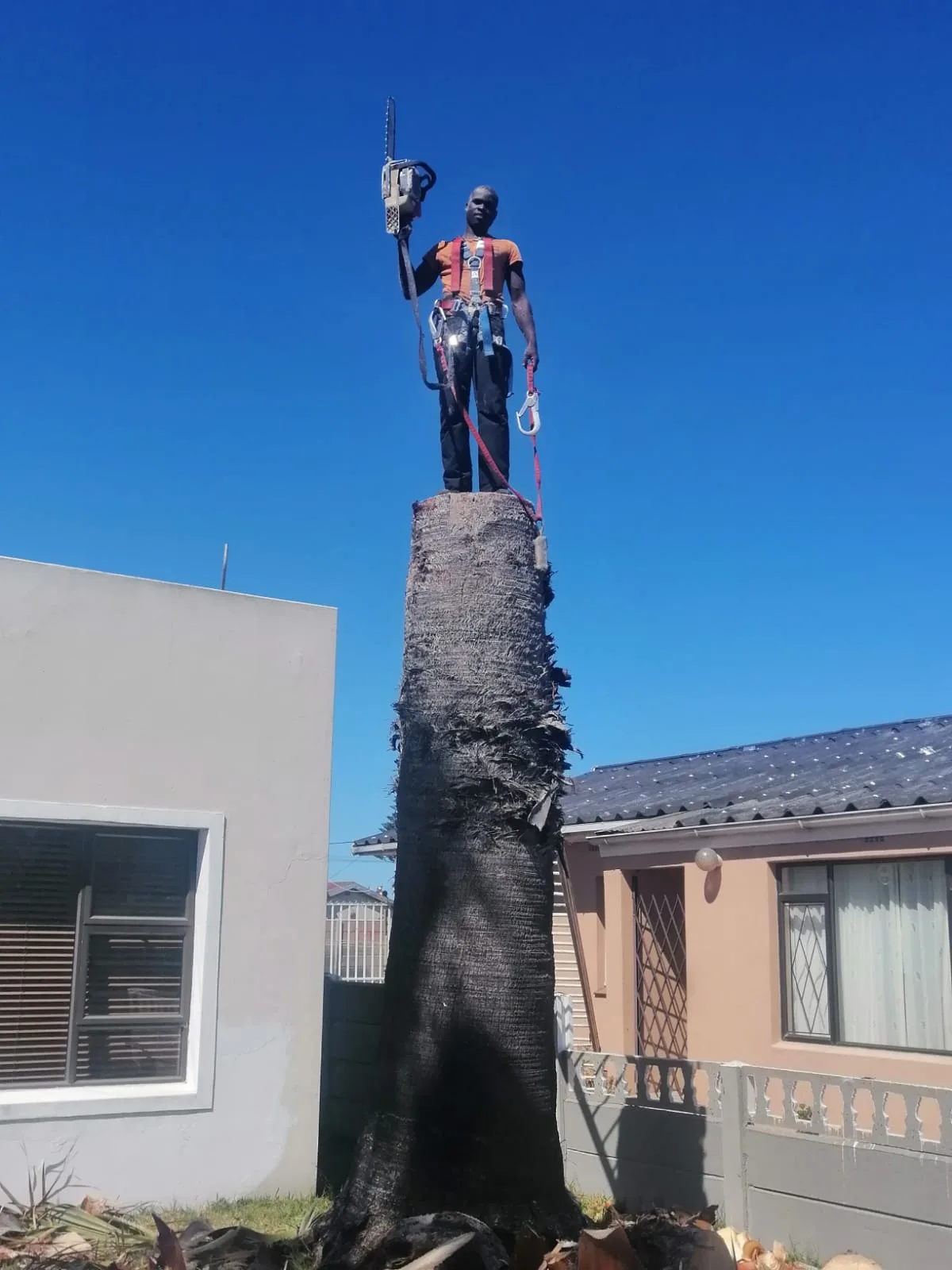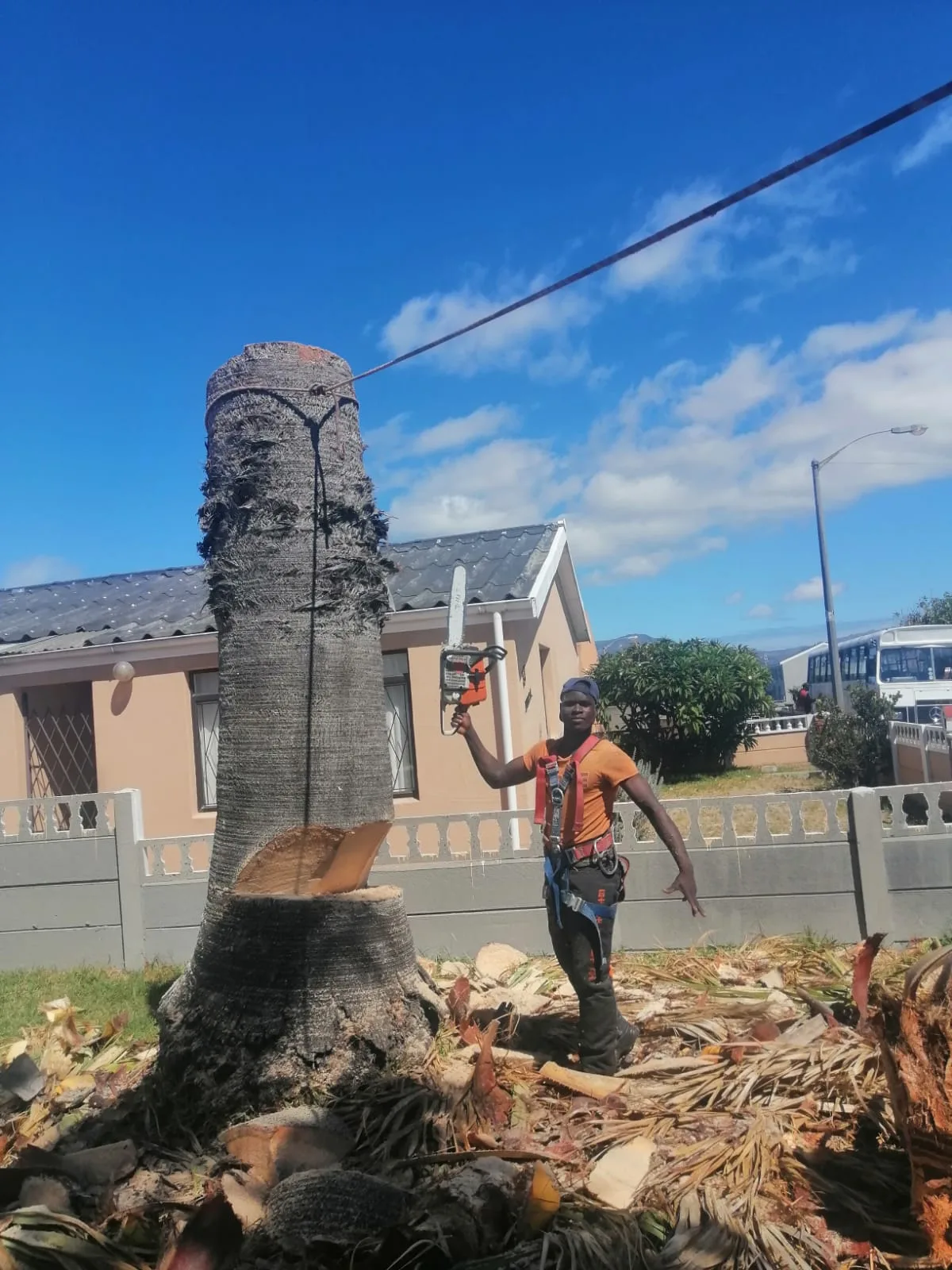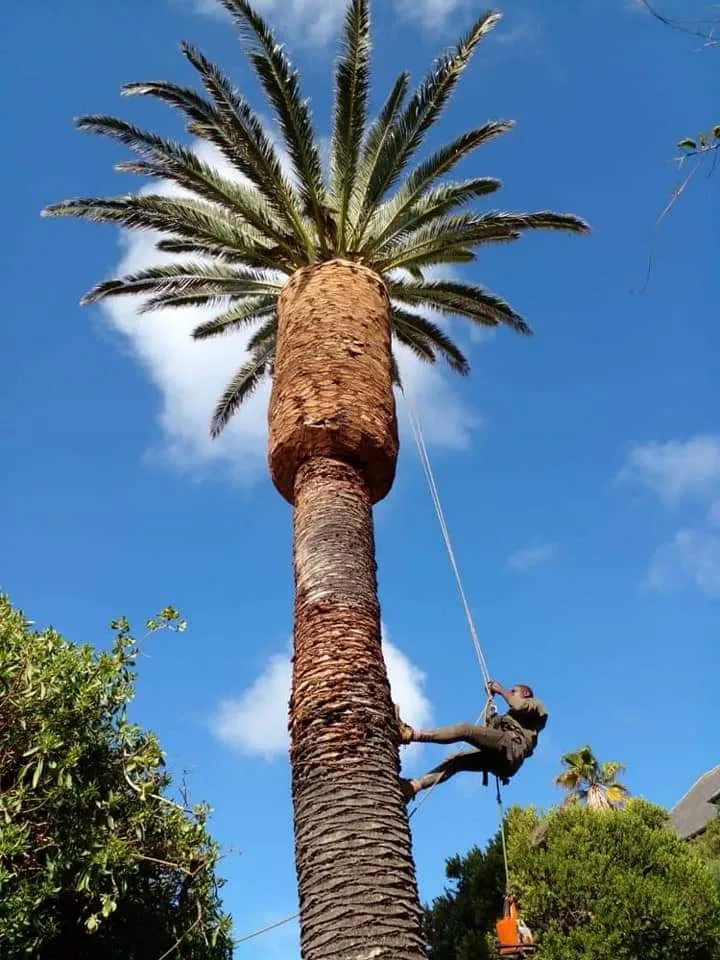
When a tree becomes a nuisance — too big, too dark, dropping branches on the roof — the first instinct is often "just take it out." But felling is permanent, and a healthy tree is worth a lot to a Cape Town property in shade, privacy and value. Plenty of the trees people ask us to remove only need a good prune. Here's how to tell which job yours actually needs.
Quick answer
- Prune when the tree is healthy and the problem is overgrowth, light or clearance.
- Fell when the tree is dead, dangerously diseased, structurally unsound, or in the wrong place entirely.
- Pruning is cheaper and keeps the tree's benefits; felling is the last resort.
When pruning is the right call
Pruning solves a surprising number of "problem tree" complaints without losing the tree:
- Branches over your roof, gutters or pool. Crown lifting and selective reduction clears the clearance issue while the tree keeps growing happily.
- The garden's too dark. Crown thinning lets light back through without butchering the canopy.
- Deadwood and crossing limbs. Removing dead and rubbing branches makes the tree both safer and healthier.
- It's got top-heavy or lopsided. A balanced reduction lowers the storm risk and improves the shape.
Done to proper arborist standards — international guidance is to remove no more than about a fifth to a quarter of the live canopy in a single session, and even less on an old or stressed tree — pruning keeps a tree structurally sound and looking natural rather than hacked. That's also why a good arborist won't "top" a tree: cutting the crown back to stubs forces weak, fast regrowth, opens big wounds to decay, and is discouraged by every arboricultural body. Proper reduction cuts back to a suitable side branch instead.
When felling is the right call
Sometimes pruning only delays the inevitable, and felling is genuinely the better decision:
- The tree is dead or dying. A dead tree is a falling hazard waiting to happen, and no amount of pruning brings it back.
- Serious disease or rot. Extensive trunk rot, large cavities or fungal brackets at the base mean the structure is compromised.
- It's in the wrong place. A tree whose roots keep lifting your paving or getting into drains may have to go, although a leaking pipe or a single stray root can often be fixed without felling.
- It's outgrown its spot. A tree planted under power lines or two metres from the house will never stop being a problem — repeated heavy pruning is more expensive and worse for the tree than one clean removal.
- It's a declared invasive alien. Rooikrans, Port Jackson and similar should be removed, not maintained.
A healthy tree in the right place is an asset. The skill is knowing which trees are worth keeping.
Not sure? Get a second opinion before you decide
The honest answer is that you often can't tell from the ground whether a tree is sound or rotten inside. That's what an arborist is for. We'll walk the garden with you, tell you plainly whether a prune will fix it or whether the tree really should come down, and quote both options so you can choose. If a storm has already done the damage, see what to do with a storm-damaged tree first.
Book a free, no-obligation assessment through the quote form and we'll give you a straight answer — keep it and prune it, or take it down properly.
Keep reading
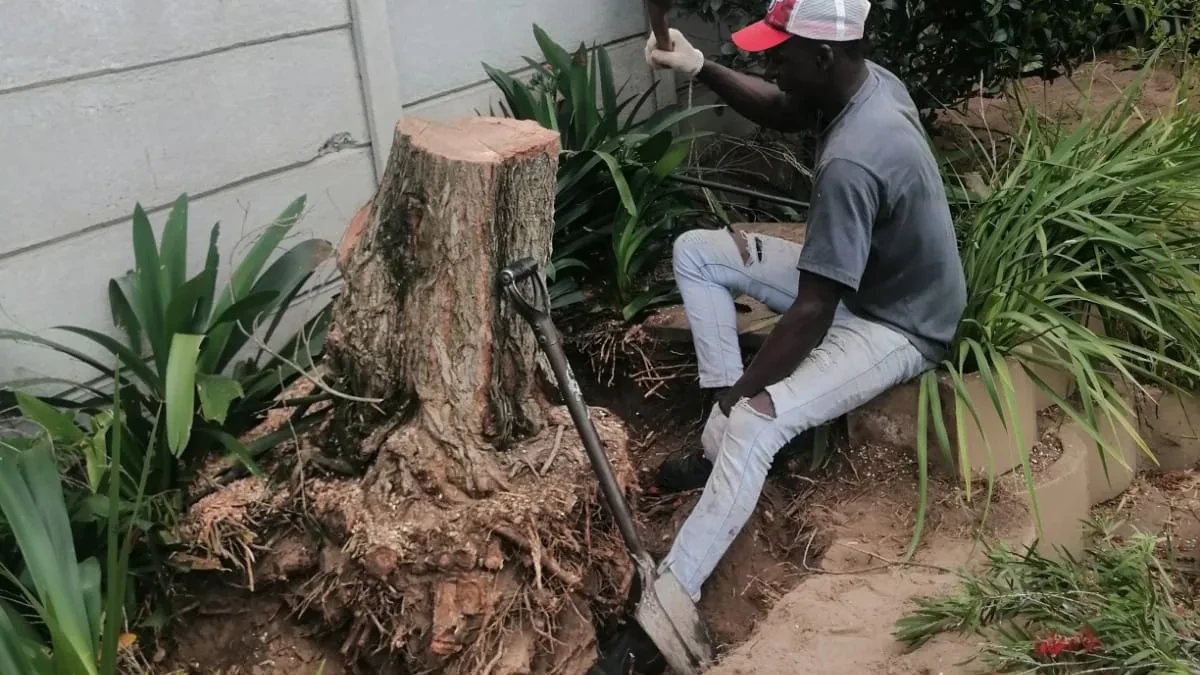
Tree Roots Damaging Your House, Paving or Drains? What to Do
Lifted paving, a blocked drain or a crack in the boundary wall, and a big tree nearby. Here is what tree roots actually do to a property, what they almost never do, what the law says when the tree is your neighbour's or the City's, and how to decide between cutting a root, fixing a pipe and taking the tree out.
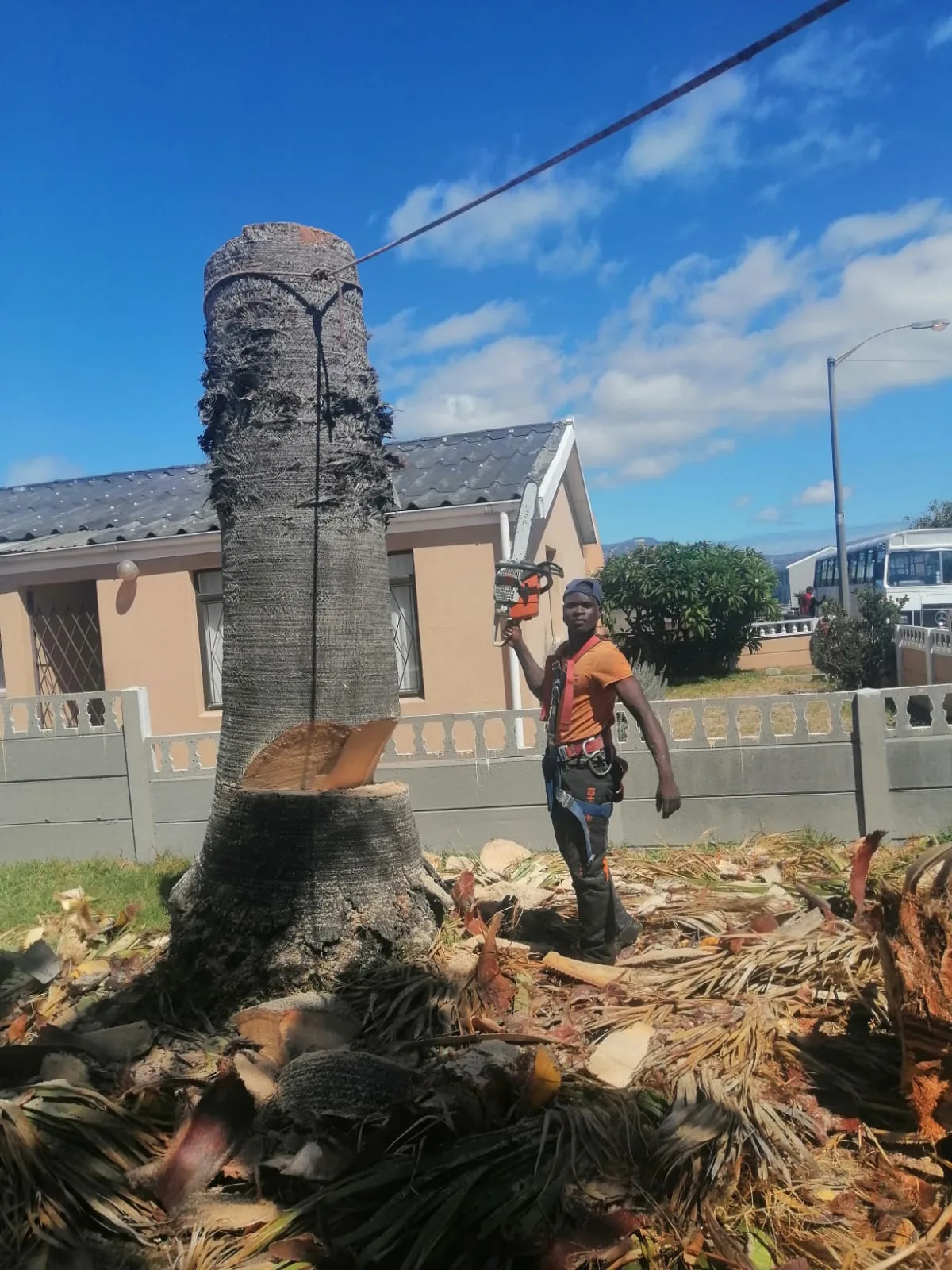
How to Cut Down a Tree Safely (And When to Stop)
Most people searching for how to cut down a tree are really asking a different question: can I do this one myself? Here is the sequence a trained feller works through, what the hinge actually does, and the situations where the honest answer is to put the saw down and phone someone.
Blue Gum Tree Removal in Cape Town
A mature blue gum in a Cape Town garden sits in an odd legal spot: the species is listed as an invasive, but a big urban trunk is often specifically exempt from the duty to remove it. Here is which gums are actually listed, the tape-measure test that decides it, why cutting one down never finishes the job, and what a safe take-down in a suburb actually involves.